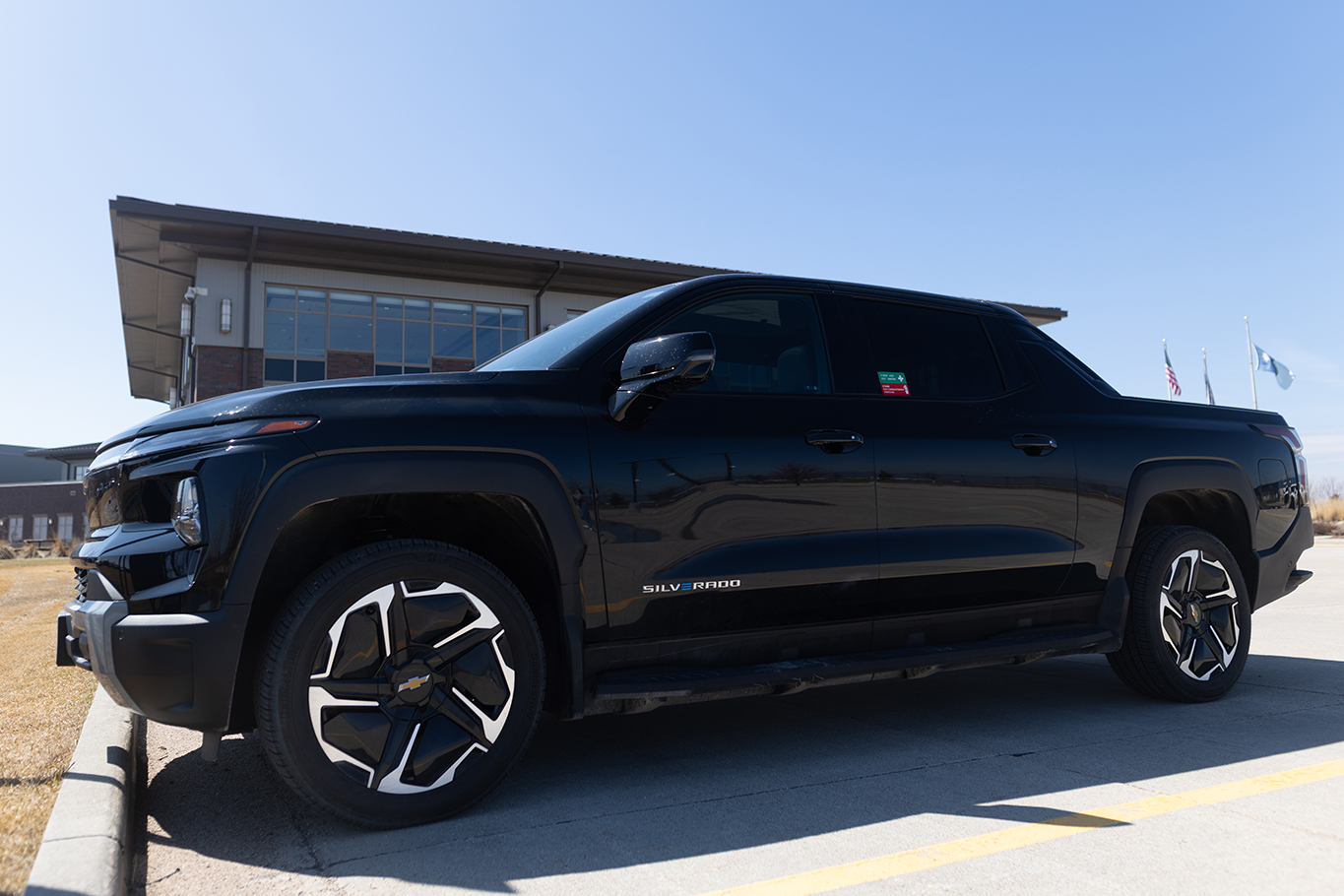
Electric vehicles are becoming a fast and emerging technology. Plug-in electric vehicles (also known as electric cars or EVs) are connected, fun and practical. They can reduce emissions and save you money.
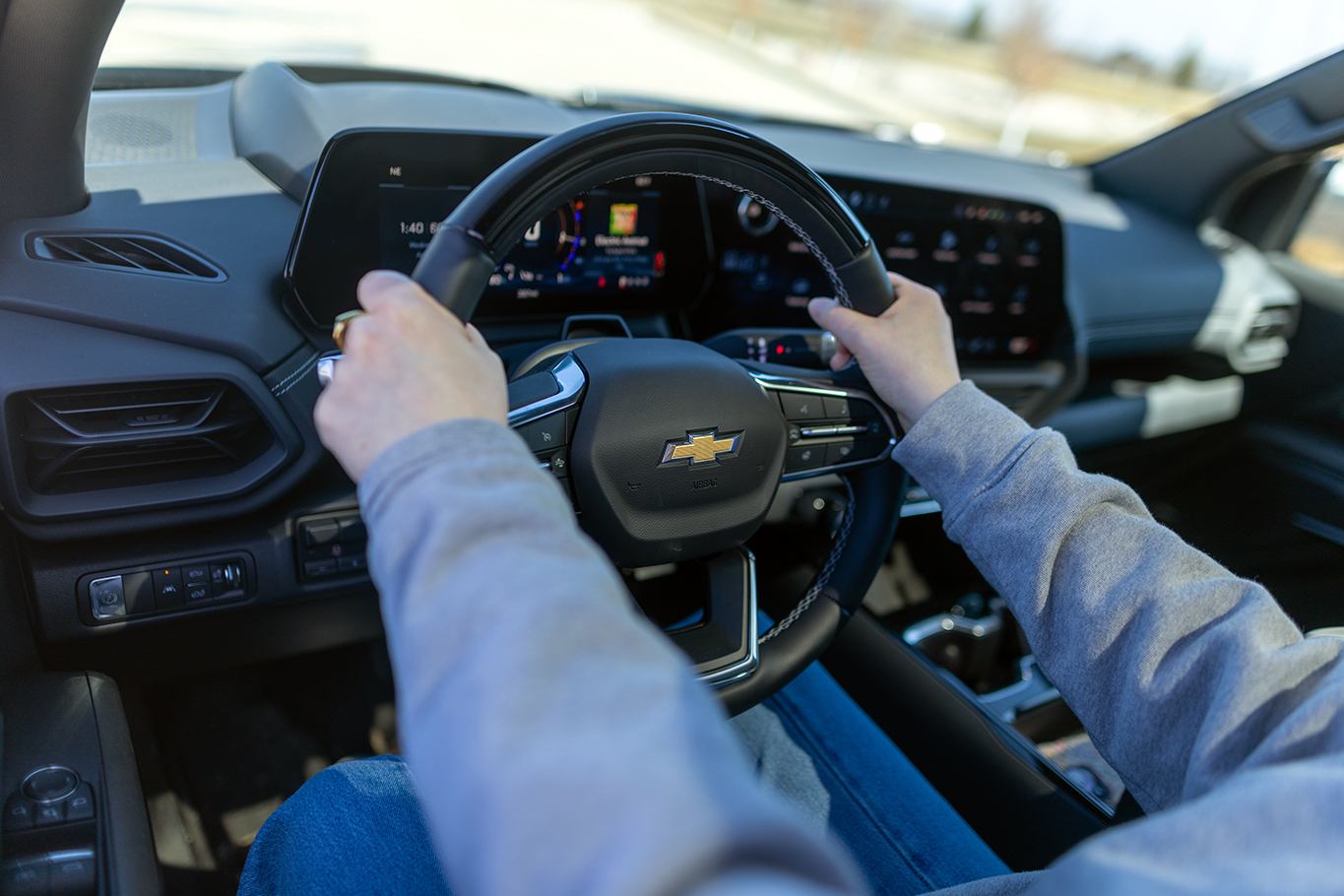
You’ll enjoy the silent motor and smooth acceleration of an electric vehicle. Gas engines vibrate and get louder as they rev up, and transmissions add in noise as well. With electric, those elements aren’t involved, leaving a quiet ride. Plus, electric motors have top-notch instant torque, taking you from full stop to highway speeds in no time flat.
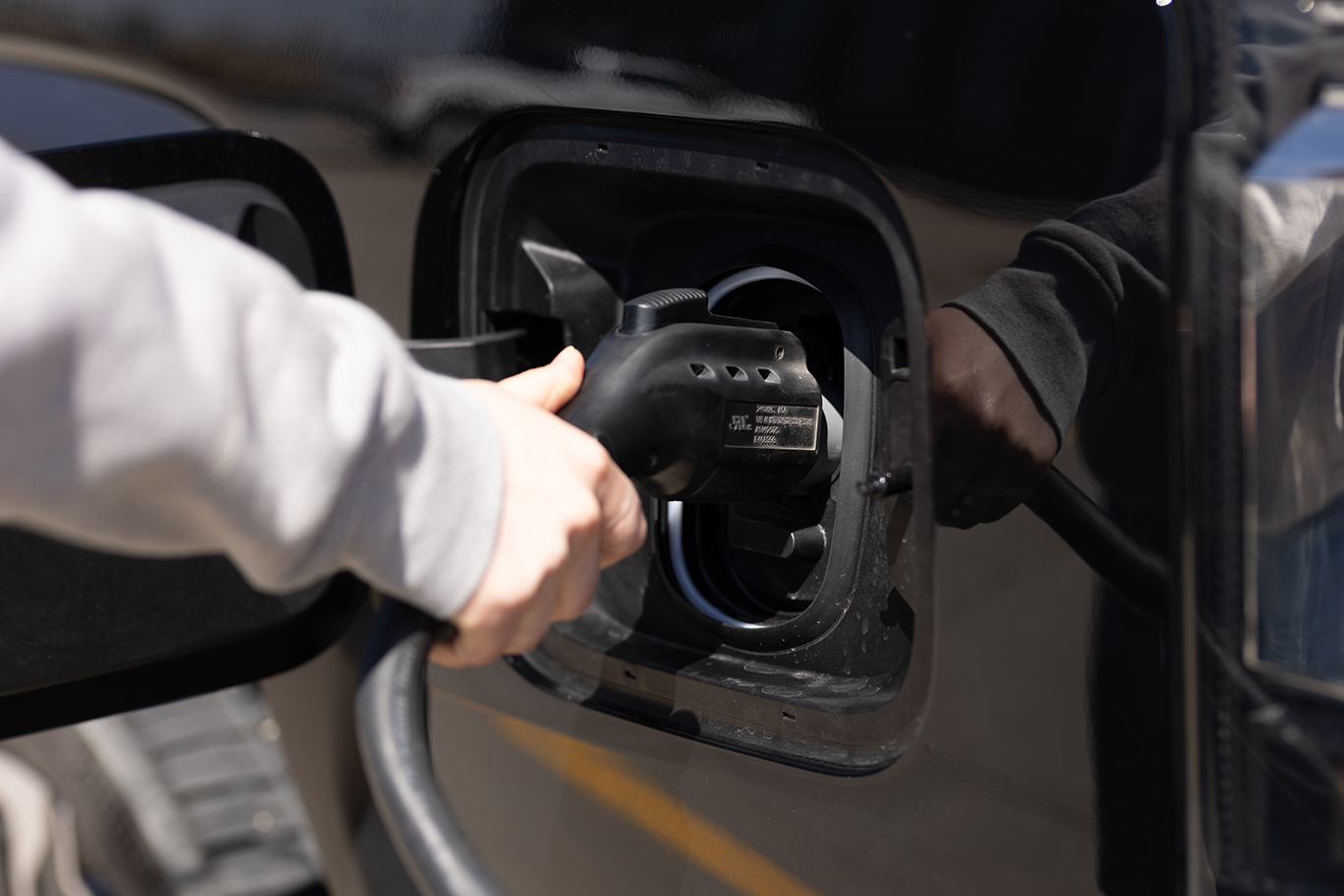
Just like a smart phone, you can plug in your EV when you get home and have it ready for you to use the next morning. Since the electric grid is available almost anywhere, there are a variety of options for charging: at home, at work or on the road.
Electric Vehicle Q & A
Are rebates available on home charging equipment?
If you participate in the off-peak EV charging program, you are also eligible for a rebate on your charging equipment up to $750. Check out our Electric Rebate Application to see how to qualify.
How much will charging my EV cost?
The cost to charge an EV depends on your current electricity rate and the size of the vehicle’s battery. On average, charging an EV at home costs about 3–5 cents per mile, which is typically 40–60% less than fueling a gasoline vehicle.
At Wild Rice’s standard electric rate, a full charge for many modern EVs (with batteries around 60–80 kWh) often costs about $7–$11. If you install a home charger on our off-peak program, the cost can be even lower, between $3–$6. Charging during off-peak hours can significantly reduce the cost per mile compared to gasoline, and electric rates are generally more stable than fuel prices.
How long will it take to charge my EV?
Charging time depends on the type of charger used:
Level 1 (standard 120-volt household outlet): Adds about 2–5 miles of range per hour of charging.
Level 2 home charger (240-volt and most common): Typically adds 15–35 miles of range per hour and can fully charge many EVs overnight.
DC fast chargers (public stations): Can charge many EVs to about 80% in 20–40 minutes.
How far can you drive on a fully charged battery?
Driving range depends on the vehicle model and battery size. Today’s all-electric vehicles typically offer 250 to 350 miles of range on a full charge, with some models exceeding 400 miles. Plug-in hybrid vehicles generally provide 20 to 60 miles of electric-only range before switching to gasoline.
How long until the average battery needs replacement?
EV batteries are designed to last a long time. Most manufacturers offer battery warranties of 8 to 10 years or 100,000 miles or more. Many current studies show EV batteries are out performing original lifespan estimates, with 90% of EVs over 10 years old and still on the road have their original battery. Battery lifespan can vary depending on climate, charging habits and driving patterns.